Delta Q Charger Manual: An Overview
Delta Q chargers, paired with sealed AC cords, achieve IP66 specifications, ensuring robust performance. This manual details operation, safety, and troubleshooting.
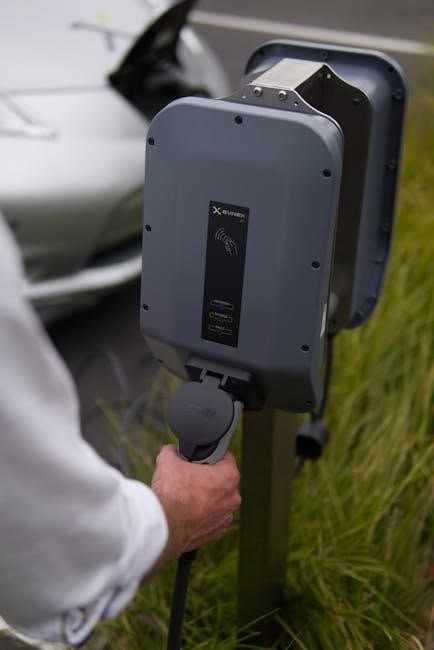
Delta Q chargers represent a leading-edge solution for charging lithium-ion batteries, particularly within industrial motive applications. These robust chargers are engineered for reliability and efficiency, catering to diverse power needs; They are commonly found powering electric vehicles like forklifts, golf carts, and other material handling equipment.
Understanding the intricacies of these chargers is crucial for optimal performance and longevity. This introduction will lay the groundwork for comprehending their functionality, features, and proper usage. Proper installation, operation, and maintenance, as detailed in this manual, are vital for maximizing the charger’s lifespan and ensuring safe operation.
What is a Delta Q Charger?
A Delta Q charger is a sophisticated power conversion device specifically designed for charging lithium-ion batteries. Unlike conventional chargers, Delta Q units offer advanced charging algorithms optimized for battery health and lifespan. They deliver precise control over voltage and current, adapting to the battery’s specific requirements throughout the charging cycle.
These chargers are renowned for their rugged construction and ability to withstand harsh operating environments, often meeting IP66 standards for water and dust resistance. They are commonly integrated into electric vehicles and industrial equipment, providing a reliable and efficient charging solution. Their intelligent design ensures optimal battery performance and safety.
Delta Q Charger Applications
Delta Q chargers find extensive use in a diverse range of applications demanding robust and reliable power solutions. Primarily, they are integral to electric vehicles – including golf carts, scooters, and neighborhood electric vehicles – providing efficient battery charging. Industrial applications benefit from their durability, utilizing them in floor cleaning machines, aerial work platforms, and material handling equipment.
Furthermore, Delta Q chargers are employed in recreational vehicles, marine applications, and even stationary energy storage systems. Their ability to withstand challenging conditions and deliver consistent performance makes them ideal for these demanding environments, ensuring long-lasting battery life and operational efficiency.

Understanding Delta Q Charger Models
Delta Q offers distinct series – Opus, RPM, and IQ – each tailored for specific applications and power requirements, providing versatile charging solutions.
Delta Q Opus Series
The Delta Q Opus series represents a robust and reliable charging solution, specifically engineered for demanding applications like electric vehicles and industrial equipment. These chargers are renowned for their high efficiency and durability, ensuring optimal battery performance and longevity. They feature a compact design, facilitating easy integration into various systems.
Opus chargers support a wide range of battery types and voltages, offering flexibility for diverse power needs. Advanced charging algorithms optimize the charging process, maximizing battery life and minimizing charging times. Furthermore, the series incorporates comprehensive safety features, including over-voltage and over-temperature protection, guaranteeing safe and dependable operation. The Opus series is a cornerstone of Delta Q’s commitment to quality and innovation.
Delta Q RPM Series
The Delta Q RPM Series chargers are designed for high-performance applications demanding rapid and efficient charging capabilities. These chargers excel in environments where minimizing downtime is critical, such as fleet operations and industrial machinery. They boast a rugged construction and are built to withstand harsh conditions, ensuring long-term reliability.
RPM series chargers feature advanced power factor correction (PFC) technology, maximizing energy efficiency and reducing energy costs. They also offer customizable charging profiles to optimize performance for specific battery chemistries and applications. Integrated communication interfaces, like CAN bus, enable seamless integration with vehicle or system control networks, providing real-time data and control capabilities.
Delta Q IQ Series
Delta Q’s IQ Series represents a leap forward in intelligent charging solutions, prioritizing user experience and data-driven optimization. These chargers are engineered for applications requiring sophisticated battery management and connectivity. They offer a compact form factor without compromising on power or durability, making them ideal for a wide range of electric vehicles and industrial equipment.
The IQ Series features advanced algorithms that adapt to battery conditions, extending battery life and maximizing performance. Integrated Bluetooth connectivity allows for wireless monitoring and control via a mobile app, providing users with real-time charging status and customizable settings. Furthermore, the IQ Series supports over-the-air firmware updates, ensuring continuous improvement and feature enhancements.
Delta Q Charger Features & Specifications
Delta Q chargers boast waterproof (IP66) designs, diverse AC cord compatibility, and robust CAN bus communication for seamless integration and control.
Waterproof and Dustproof Ratings (IP66)
Delta Q chargers are engineered for demanding environments, achieving an impressive IP66 rating. This signifies complete protection against dust ingress, preventing particle damage and maintaining reliable operation. Furthermore, the IP66 rating guarantees protection against powerful water jets from any direction.
This robust sealing is achieved through meticulous design and construction, utilizing gaskets and tight enclosures. When coupled with a Delta Q Technologies sealed AC cord, the charger’s waterproof capabilities are fully realized, ensuring safe and consistent performance even in harsh conditions. This makes them ideal for outdoor applications or areas prone to moisture and dust.
AC Cord Compatibility
Delta Q chargers are designed to work seamlessly with a range of AC cords, but optimal performance and maintaining the IP66 waterproof rating require specific Delta Q Technologies sealed AC cords. Using non-approved cords may compromise the charger’s protective features and void the warranty.
These sealed cords feature robust connectors and watertight seals, ensuring a secure and protected connection point. Compatibility varies by charger model and input voltage, so always refer to the charger’s documentation for approved cord specifications. Utilizing the correct AC cord is crucial for safe and reliable operation, especially in wet or dusty environments.
CAN Bus Communication
Delta Q chargers often incorporate CAN bus communication, enabling advanced monitoring and control capabilities within a larger system. This protocol allows the charger to transmit critical data, such as charging status, voltage, current, and temperature, to a central control unit or battery management system (BMS).
Through CAN bus, users can remotely monitor charger performance, adjust charging parameters, and receive diagnostic information. Integration with a BMS optimizes charging cycles, extends battery life, and enhances overall system efficiency. Proper CAN bus configuration and communication protocols are essential for seamless integration and reliable data exchange.
Delta Q Charger Installation
Proper installation requires careful mounting, secure wiring diagrams, and correct connection to the battery system for optimal performance and safety.
Mounting Considerations
Secure mounting is crucial for Delta Q charger longevity and reliable operation. Choose a location that provides adequate ventilation to dissipate heat generated during charging cycles. Ensure the mounting surface is robust enough to support the charger’s weight, especially in mobile applications subject to vibration and shock.
Avoid mounting the charger in areas exposed to direct sunlight, excessive moisture, or corrosive substances. Maintain sufficient clearance around the charger for easy access to wiring connections and inspection. Consider the orientation of the charger to facilitate proper airflow and prevent the accumulation of dust or debris.
Follow the manufacturer’s guidelines regarding minimum clearances and mounting hardware specifications. Proper mounting minimizes the risk of damage from physical impact and ensures optimal performance.
Wiring Diagrams
Delta Q chargers require careful wiring for safe and efficient operation. Always disconnect the battery system before commencing any wiring procedures. Refer to the specific wiring diagram included with your charger model, as configurations vary. Typically, diagrams illustrate connections for AC input (Live, Neutral, Ground), DC output (+ and ― to the battery), and CAN bus communication lines.
Ensure proper wire gauge is used, matching the charger’s current capacity. Securely connect all wires using appropriate terminals and connectors, avoiding loose connections. Double-check polarity before connecting the DC output to the battery to prevent damage.
Adhere to all local electrical codes and safety regulations during installation. Incorrect wiring can lead to charger malfunction, battery damage, or even electrical hazards.
Connecting to the Battery System
Delta Q chargers demand precise connection to the battery system for optimal charging. Before connecting, verify the battery voltage matches the charger’s output voltage. Always connect the positive (+) charger terminal to the battery’s positive terminal, and the negative (-) to the battery’s negative terminal.
Incorrect polarity can cause severe damage to both the charger and the battery. Use appropriately sized cables and secure connections to minimize voltage drop and ensure efficient current transfer. Consider using a fuse or circuit breaker in the positive lead for added safety.
Ensure the battery system is well-ventilated during charging to prevent gas buildup. Regularly inspect connections for corrosion or looseness.
Delta Q Charger Operation
Delta Q chargers utilize multi-stage charging for optimized battery health. LED indicators display charging status, and understanding these signals is crucial for operation.
Charging Stages Explained
Delta Q chargers employ a sophisticated, multi-stage charging process designed to maximize battery lifespan and efficiency. Initially, the charger enters a Bulk stage, delivering constant current to rapidly recharge the battery to approximately 80% capacity. Following this, the charger transitions to the Absorption stage, maintaining a constant voltage while current gradually decreases, ensuring full charge.
Next, the Float stage commences, reducing voltage to a maintenance level, preventing overcharge and keeping the battery at optimal readiness. Some models also include an Equalization stage, periodically applying a higher voltage to counteract stratification within the battery cells. Understanding these stages allows users to monitor charging progress and optimize performance for their specific battery type and application.
LED Indicator Status
Delta Q chargers utilize LED indicators to communicate crucial charging information. A solid green LED typically signifies a completed charge and the charger is in standby mode. A flashing green LED indicates the charger is actively charging the battery. A solid red LED signals a fault condition, requiring troubleshooting – consult the error code section of this manual.
A flashing red LED may indicate a battery issue or improper connection. A solid blue LED, if present on your model, often denotes CAN bus communication is active. Refer to your specific model’s documentation for precise LED behavior, as variations exist. Regularly checking the LED status provides a quick assessment of the charger’s operational state.
Troubleshooting Common Issues
Delta Q charger issues often stem from simple causes. If the charger fails to initiate, verify the AC power connection and ensure the input voltage matches the charger’s specifications. A red LED indicates a fault; check battery connections for corrosion or looseness. If the battery isn’t charging, confirm compatibility with the charger’s voltage and current settings.
CAN bus communication errors may require checking wiring and controller settings. For intermittent charging, inspect the AC cord for damage. If problems persist, consult the error code section or contact Delta Q support. Always prioritize safety and disconnect power before inspecting connections.
Delta Q Charger Maintenance
Regular cleaning and inspection are vital for optimal performance. Firmware updates, when available, enhance functionality and address potential issues proactively.
Cleaning Procedures
To maintain your Delta Q charger’s performance and longevity, regular cleaning is essential. Begin by disconnecting the charger from both the AC power source and the battery system. Use a soft, damp cloth to wipe down the exterior surfaces, removing any dust, dirt, or debris. Avoid using harsh chemicals, abrasive cleaners, or excessive water, as these can damage the charger’s components.
For stubborn dirt, a mild soap solution can be used, but ensure the cloth is only slightly damp and thoroughly wipe away any soap residue afterward. Pay particular attention to ventilation openings, ensuring they are free from obstructions to prevent overheating. Inspect the AC cord and connectors for any signs of damage and clean them gently if necessary. Always allow the charger to dry completely before reconnecting it to power or the battery system.
Inspection Checklist
Regular inspection of your Delta Q charger is crucial for safe and reliable operation. First, visually examine the AC cord for any cuts, fraying, or damage to the connectors. Check the charger housing for cracks or signs of physical stress. Verify that all ventilation openings are clear of obstructions, ensuring adequate airflow. Inspect the wiring connections for tightness and corrosion.
Confirm the LED indicators are functioning correctly and respond appropriately during charging cycles. If any abnormalities are detected, discontinue use immediately. Document all inspection findings and any maintenance performed. A consistent inspection schedule, ideally monthly, will help identify potential issues before they escalate into major problems, extending the charger’s lifespan.
Firmware Updates
Maintaining up-to-date firmware on your Delta Q charger is essential for optimal performance and access to the latest features and bug fixes. Check the manufacturer’s website regularly for available updates. Firmware updates are typically delivered as a downloadable file and require a specific procedure for installation, often involving a USB connection.
Carefully follow the provided instructions to avoid interrupting the update process, which could potentially damage the charger. Ensure a stable power supply during the update. Updated firmware can improve charging efficiency, enhance compatibility with different battery types, and address any known vulnerabilities; Keep a record of all firmware updates performed.

Delta Q Charger Safety Precautions
Prioritize electrical and battery safety when using the Delta Q charger. Consider environmental impacts, and always adhere to specified guidelines for safe operation.
Electrical Safety
Always disconnect the Delta Q charger from the AC power source before performing any maintenance or inspection. Never operate the charger with a damaged AC cord or plug; replace them immediately with manufacturer-approved components. Ensure proper grounding to prevent electrical shock hazards.
Avoid exposing the charger to water or excessive moisture, even if it has an IP66 rating, as internal components can still be affected. Do not attempt to disassemble or repair the charger yourself; refer all servicing to qualified personnel. Inspect wiring connections regularly for signs of wear or damage, and address any issues promptly.
Confirm the input voltage matches the local power supply before connecting the charger.
Battery Safety
Always adhere to the battery manufacturer’s safety guidelines when using a Delta Q charger. Ensure the battery system is compatible with the charger’s voltage and current specifications to prevent overheating or damage; Never charge a damaged or leaking battery, as it may pose a fire or explosion risk.
Avoid short-circuiting the battery terminals, and do not expose the battery to extreme temperatures or direct sunlight. Use appropriate personal protective equipment, such as gloves and eye protection, when handling batteries. Regularly inspect the battery for signs of corrosion or swelling, and replace it if necessary.
Proper ventilation is crucial during charging.
Environmental Considerations
Delta Q chargers are designed for efficient energy consumption, minimizing environmental impact during operation. Dispose of end-of-life chargers and batteries responsibly, following local regulations for electronic waste recycling. Avoid operating the charger in excessively dusty or humid environments, as this can reduce its lifespan and efficiency.
Consider the ambient temperature when selecting a charger location; extreme temperatures can affect performance. Regularly inspect the charger for any signs of damage or leaks that could potentially harm the environment. Proper maintenance extends the charger’s life, reducing the need for frequent replacements.
Promote sustainable practices.
Delta Q Charger Technical Specifications
Delta Q chargers boast varied input voltage ranges and output currents, alongside high efficiency ratings, ensuring optimal performance for diverse battery systems.
Input Voltage Range
Delta Q chargers are designed with a universal input voltage range, providing flexibility for global operation. Typically, these chargers accommodate input voltages from 90 to 264 VAC, covering most international standards. This wide range eliminates the need for voltage adjustments or external transformers when traveling or deploying equipment in different regions.
The ability to operate across such a broad spectrum ensures compatibility with various power sources, enhancing the charger’s versatility. Furthermore, Delta Q chargers often include built-in protection against voltage fluctuations and surges, safeguarding both the charger and the connected battery system. This robust design contributes to reliable and consistent charging performance, regardless of the input power conditions.
Output Voltage and Current
Delta Q chargers deliver precisely regulated output voltage and current, tailored to the specific battery chemistry and capacity being charged. Common output voltages range from 24V to 72V DC, accommodating a wide variety of battery systems found in electric vehicles and industrial applications.
The output current is dynamically adjusted during the charging process, optimizing charge rates and minimizing battery stress. Chargers offer varying current capabilities, typically ranging from 10A to 30A or higher, depending on the model. This adaptability ensures efficient and safe charging for different battery sizes and power requirements, maximizing battery lifespan and performance.
Efficiency Ratings
Delta Q chargers are engineered for high efficiency, minimizing energy loss during the charging process. Typical efficiency ratings range from 88% to 95%, meaning a significant portion of the AC power drawn from the wall is converted into DC power for the battery.
This high efficiency not only reduces energy waste but also lowers operating costs and minimizes heat generation. Advanced circuit designs and optimized components contribute to these impressive efficiency levels. Lower heat dissipation also enhances charger reliability and extends its overall lifespan, providing long-term value and performance.
Delta Q Charger Error Codes & Diagnostics
Delta Q chargers utilize error codes to signal issues. Diagnostic procedures, outlined in this manual, help identify and resolve problems efficiently for optimal performance.
Common Error Codes
Delta Q chargers employ a system of error codes to communicate specific faults within the charging process. Understanding these codes is crucial for effective troubleshooting. A “Communication Error” indicates a disruption in CAN bus connectivity, potentially stemming from wiring issues or incompatibility. “Over Voltage” signifies input voltage exceeding safe limits, requiring investigation of the power source.
“Under Voltage” suggests insufficient input power, possibly due to a weak connection or low voltage supply. “Over Temperature” signals excessive heat, demanding inspection of ventilation and ambient temperature. “Battery Fault” points to issues with the connected battery pack, like cell imbalance or a short circuit. Refer to the full manual for a comprehensive list and detailed resolution steps for each Delta Q error code.
Diagnostic Procedures
Delta Q charger diagnostics begin with a visual inspection of wiring and connections, ensuring secure and corrosion-free contacts. Utilize a multimeter to verify input voltage levels, confirming they fall within the specified range. If a communication error arises, check the CAN bus wiring for breaks or shorts, and confirm proper termination resistors are in place.
For temperature-related faults, assess ambient temperature and airflow around the charger. Battery fault diagnostics require a battery management system (BMS) check to identify cell imbalances or anomalies. Always consult the error code list in the manual for specific troubleshooting steps. Document all findings for efficient support requests.
Contacting Support
Delta Q Technologies provides comprehensive support for all charger models. Before contacting support, document the charger’s model number, serial number, and a detailed description of the issue, including any error codes displayed. Gather relevant data like battery voltage, charging history, and environmental conditions.
Visit the official Delta Q website for FAQs, knowledge base articles, and downloadable resources. For direct assistance, utilize the online contact form or call their dedicated support line during business hours. Be prepared to provide the collected information to expedite the troubleshooting process and ensure a swift resolution.