
Article Plan: A Parent’s Guide to the School Interview
Navigating the school selection process requires thoughtful preparation, especially for the parent interview—a crucial step for both families and institutions․
This guide offers essential insights, covering preparation, common questions, and strategies for making a positive, authentic impression during this pivotal interaction․

The parent interview is a cornerstone of the school admissions process, extending far beyond a mere formality․ It represents a vital opportunity for schools to gain a holistic understanding of prospective students – not just academically, but also within the context of their family dynamics and upbringing․
For parents, this interview is equally significant․ It’s a chance to articulate your child’s unique strengths, personality, and learning style, offering insights that standardized tests and transcripts simply cannot convey․ Furthermore, it’s a two-way street, allowing you to assess whether the school’s values and educational philosophy align with your own parenting approach and expectations․
As admissions officers acknowledge, focusing on the parent interaction is crucial․ A successful interview demonstrates your engagement in your child’s education and your willingness to partner with the school community․ Remember, admissions committees seek families who will actively contribute to the school’s vibrant environment, and the interview is where that potential shines․
II․ Understanding the School’s Perspective
To prepare effectively, it’s essential to understand what admissions committees are truly seeking during a parent interview․ They aren’t simply evaluating your professional achievements or social status; they’re assessing your understanding of your child and your commitment to their educational journey․
Schools prioritize parents who demonstrate a genuine interest in their institution’s specific offerings and values․ They want to see if you’ve researched the curriculum, extracurricular activities, and overall school culture․ This isn’t a one-sided evaluation; the parent interview is a two-way street, a chance for the school to showcase its strengths and answer your questions;
Admissions officers are looking for collaborative partners, families who will actively support the school’s mission and contribute positively to the community․ Authenticity and a willingness to engage in open communication are highly valued, demonstrating a foundation for a successful school-family partnership․
II․A․ What Admissions Committees are Looking For
Admissions committees seek parents who demonstrate a deep understanding of their child’s strengths, weaknesses, and learning style․ They want to hear how you support your child’s growth, not just academically, but also emotionally and socially․ “Tell us about your child” is a pivotal question, requiring thoughtful preparation․
Beyond individual characteristics, schools assess parental alignment with their core values․ Do your parenting philosophies complement the school’s approach to education? Are you willing to be an active participant in the school community? Authenticity is key; avoid presenting an idealized version of your family․

Commitment to the school’s mission and a realistic perspective are also crucial․ They want to know you’ve “kicked the tires” and understand what the school offers, and that your expectations are reasonable and aligned with their capabilities․
II․B․ The Parent Interview as a Two-Way Street
The parent interview isn’t solely an evaluation of you; it’s a valuable opportunity to assess if the school is the right fit for your child and family․ Consider it a conversation, not an interrogation․ Admissions officers want to ensure a strong partnership between home and school․
Prepare thoughtful questions to demonstrate genuine interest․ Inquire about curriculum specifics, support services, and the school’s approach to fostering a positive learning environment․ This shows you’ve done your research and are actively engaged in the decision-making process․
Use this time to clarify any uncertainties and gain a deeper understanding of the school’s culture․ A successful interview involves reciprocal information exchange, building a foundation for a collaborative relationship should your child be admitted․
III․ Preparing for the Interview: Logistics and Mindset
Thorough preparation is key to a confident and successful interview experience․ Begin by confirming the scheduling details and planning your route to ensure punctuality – arriving on time demonstrates respect for the school’s time․
Adopt a positive and open mindset․ Remember, the admissions committee seeks engaged partners in their educational mission․ Reflect on your child’s strengths and areas for growth, and consider how the school’s values align with your parenting philosophy․
Presenting a polished appearance is also important; dress professionally to make a positive first impression․ Avoid comparisons to other schools and focus on what specifically attracts you to this institution․ A calm and thoughtful approach will convey your genuine interest․
III․A․ Scheduling and Arrival – Punctuality and Professionalism
Securing a convenient interview time is the first step, but confirming the appointment and meticulously planning your travel are equally vital․ Punctuality isn’t merely politeness; it signals respect for the admissions committee’s valuable time and demonstrates your organizational skills․
Aim to arrive 10-15 minutes early to allow for parking, check-in, and a moment to compose yourself․ This buffer minimizes stress and allows you to present a calm, collected demeanor․ Professionalism extends beyond timeliness; it encompasses your overall presentation and interactions with staff․
Treat every encounter, from the receptionist to the interviewer, with courtesy and respect․ A positive attitude and genuine engagement create a favorable first impression, setting a positive tone for the entire interview process․

III․B․ Dress Code – Making a Positive First Impression
While schools generally don’t prescribe a rigid dress code, presenting a polished and respectful appearance is crucial for making a strong first impression․ Think “business casual” as a safe and effective guideline․ This conveys that you take the interview seriously and respect the institution․
Avoid overly casual attire like jeans, t-shirts, or sneakers․ Opt for neat, well-fitting clothing – slacks or a skirt with a blouse or sweater, or a button-down shirt․ Comfort is important, but prioritize professionalism over extreme comfort․
Remember, you are representing your family and your child․ “Stand out” with appropriate attire, showing you’ve put thought and effort into your presentation․ Subtle accessories and well-maintained grooming complete the polished look, reinforcing a positive and respectful image․
IV․ Common Interview Questions for Parents – and How to Answer
Prepare to discuss your child comprehensively; expect questions like “Tell us about your child․” Focus on their strengths, personality, and learning style, offering specific anecdotes․ Three descriptive words can be a helpful starting point․ Share moments of pride and acknowledge parenting challenges, framing them as opportunities for growth․
Schools will also explore your expectations․ Articulate how the school’s values align with your own educational philosophy․ Be honest about your hopes for your child’s experience․ Expect inquiries into your parenting style – demonstrate a supportive and guiding approach, emphasizing collaboration with the school․
Authenticity is key; avoid presenting an idealized version of your family․ Reflect on moments of both success and difficulty, showcasing your commitment to your child’s development․
IV․A․ “Tell Us About Your Child” – Focusing on Strengths and Personality
This seemingly simple question is a cornerstone of the interview․ Admissions committees seek a genuine understanding of your child beyond academic records․ Prepare to paint a vivid picture of their character, highlighting their unique strengths and personality traits․ Consider what three words best encapsulate your child’s essence․
Share specific anecdotes that illustrate these qualities․ Instead of stating “My child is hardworking,” describe a time they persevered through a challenging project․ Discuss their passions, interests, and how they approach learning․ Don’t shy away from acknowledging areas for growth, framing them positively as opportunities for development․
Authenticity is paramount; let your child’s true self shine through your description․ Focus on what makes them special and a good fit for the school’s community․
IV․B․ “What are Your Expectations of the School?” – Aligning Values
This question assesses whether your family’s educational philosophy aligns with the school’s mission and values․ It’s not about demanding specific outcomes, but demonstrating a shared vision for your child’s development․ Research the school thoroughly beforehand – understand its curriculum, teaching methods, and community culture․
Express your expectations in terms of support and growth․ For example, you might value a nurturing environment that fosters creativity, or a rigorous academic program that challenges students․ Highlight aspects of the school that particularly resonate with your family’s priorities․
Avoid focusing solely on prestige or outcomes․ Instead, emphasize your desire for a partnership between home and school, where your child can thrive intellectually, socially, and emotionally․
IV․C․ “What are Your Parenting Styles?” – Demonstrating Support and Guidance
This isn’t a judgment of “good” or “bad” parenting, but an opportunity to showcase your approach to raising your child․ Admissions committees want to understand how you support your child’s learning and development, both at home and in school․ Be honest and reflective – there’s no need to present a perfect image․
Describe your style as collaborative and supportive, emphasizing open communication and a growth mindset․ Highlight how you encourage independence, resilience, and a love of learning․ Mention how you handle challenges, focusing on problem-solving and teaching valuable life lessons․

Demonstrate that you’re actively involved in your child’s education and willing to partner with the school to ensure their success․ Avoid being overly controlling or helicopter-parenting focused․
V․ Navigating Difficult Questions
Expect some questions to be challenging, designed to assess your self-awareness and problem-solving skills․ Honesty is paramount, even when addressing sensitive topics․ If asked about challenges your child faces, frame them as opportunities for growth, highlighting strategies you’ve employed to support their development․
Avoid the temptation to compare your child or previous schools negatively․ Focus on what you’re seeking in a new educational environment and how this school aligns with your child’s needs․ Don’t overshare personal information or delve into overly complex family dynamics․
Remember, admissions committees are looking for parents who are supportive, engaged, and committed to their child’s success․ A thoughtful and honest response, even to a difficult question, demonstrates maturity and integrity․

V․A․ Addressing Challenges – Honesty and Growth Mindset
When discussing challenges, authenticity is key; avoid minimizing or glossing over difficulties․ Instead, present them as learning experiences, showcasing your commitment to your child’s growth․ Frame setbacks not as failures, but as opportunities for development and resilience․ Admissions committees want to see a growth mindset․
Be prepared to discuss how you’ve supported your child through these challenges, emphasizing collaborative problem-solving and a positive approach․ Highlight specific strategies you’ve used, such as seeking outside support or fostering open communication․
Demonstrate a willingness to partner with the school to address any ongoing needs․ Avoid blaming others or portraying yourself as a helpless bystander; instead, present yourself as an active and engaged parent․
V․B․ Avoiding Comparisons – Focusing on Fit
Refrain from drawing comparisons between the school and previous institutions your child has attended․ Such comparisons can come across as critical or dismissive, suggesting a lack of genuine interest in the school’s unique offerings․ Focus instead on what specifically attracts you to this school and how you believe it aligns with your child’s individual needs and learning style․
Emphasize the importance of finding the right “fit” – a learning environment where your child can thrive academically, socially, and emotionally․ Articulate how the school’s values, curriculum, and community resonate with your family’s priorities․
Avoid mentioning other schools you are considering; maintain a singular focus on demonstrating your enthusiasm for this particular institution․ Present yourself as genuinely excited about the possibility of your child joining their community․
VI․ Questions to Ask the School
Preparing thoughtful questions demonstrates genuine interest and engagement, transforming the interview into a two-way conversation․ Avoid questions easily answered on the school’s website; instead, delve deeper into aspects crucial to your child’s success․
Inquire about the school’s approach to supporting diverse learning styles and addressing individual student needs․ Ask about specific curriculum details, extracurricular opportunities, and the availability of resources like tutoring or counseling․ Explore the school’s philosophy on fostering a positive and inclusive community․
Consider asking about teacher professional development and the school’s commitment to innovation․ Demonstrate that you’ve researched the school and are genuinely invested in understanding its unique strengths․ Thoughtful questions leave a lasting positive impression․
VI․A․ Demonstrating Genuine Interest – Thoughtful Inquiries
Asking insightful questions signals to the admissions committee that you’ve thoroughly considered the school and are genuinely invested in your child’s educational journey․ Avoid superficial inquiries; instead, focus on aspects that reveal your understanding of the school’s values and programs․
Frame questions that demonstrate your proactive parenting style and commitment to collaboration․ For example, inquire about communication channels between teachers and parents, or the school’s approach to fostering student leadership․ Show curiosity about the school’s community beyond academics—extracurriculars, volunteer opportunities, and school traditions․

Thoughtful questions also allow you to assess whether the school is the right fit for your child’s personality and learning style․ This demonstrates a mature and discerning approach to the school selection process․
VI․B․ Specific Questions About Curriculum and Support Services
Delving into the specifics of the curriculum and support services showcases your dedication to your child’s academic and personal growth․ Inquire about the school’s teaching methodologies – are they project-based, traditional, or a blend? Understand how the curriculum caters to diverse learning styles and challenges․
Specifically, ask about available support services, such as tutoring, counseling, or special education programs; Demonstrate your awareness of your child’s needs and your proactive approach to ensuring they receive appropriate assistance․ Questions about teacher training and professional development reveal your interest in the quality of instruction․
Don’t hesitate to ask about enrichment opportunities, like advanced placement courses or extracurricular activities that align with your child’s interests․ This shows you value a well-rounded education․
VII․ Dos and Don’ts of the Parent Interview
Approaching the parent interview with mindful awareness of both appropriate and inappropriate behaviors is crucial for a positive outcome․ Do be authentic, allowing your genuine personality and parenting philosophy to shine through․ Be positive about your child and their potential, focusing on their strengths․ Engage actively, listening attentively and responding thoughtfully to questions․

Conversely, don’t dominate the conversation, allowing the interviewer ample opportunity to speak․ Avoid criticizing previous schools or teachers, maintaining a respectful tone․ Refrain from oversharing personal information that isn’t relevant to your child’s educational journey․
Remember to arrive on time and dress professionally, demonstrating respect for the school’s time and values․ Authenticity and a positive attitude are key!
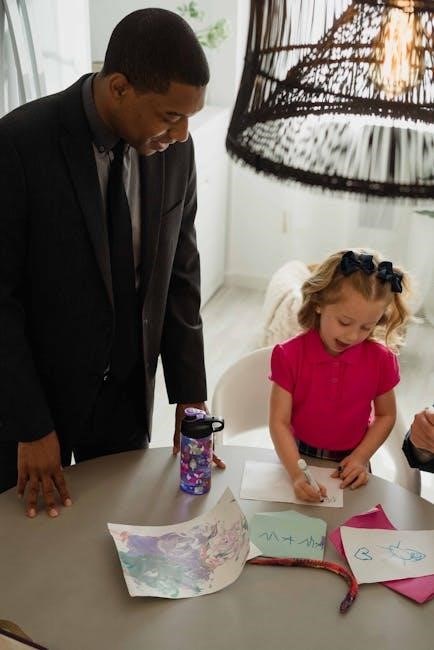
VII․A․ Do: Be Authentic, Be Positive, Be Engaged
Embrace authenticity during the interview; schools seek genuine insights into your family dynamic, not a fabricated persona․ Let your true selves shine, showcasing your parenting style and values honestly․ Maintain a positive outlook when discussing your child, highlighting their strengths and unique qualities․ Share moments of pride and demonstrate your belief in their potential․

Active engagement is paramount․ Listen intently to the interviewer’s questions, demonstrating respect and genuine interest․ Respond thoughtfully, providing detailed answers that reveal your understanding of your child’s needs and your expectations for their education․
Don’t be afraid to show your enthusiasm for the school and its community – a positive attitude is contagious!
VII․B․ Don’t: Dominate the Conversation, Criticize Previous Schools, Overshare Personal Information
Avoid monopolizing the interview; remember it’s a dialogue, not a monologue․ Allow the interviewer ample opportunity to ask questions and share information about the school․ Refrain from criticizing previous educational experiences․ Focus on the positive aspects of your child’s journey and articulate why this particular school is a good fit, rather than dwelling on past shortcomings․
Exercise discretion and avoid oversharing personal details․ The interview should center on your child’s educational needs and your family’s values, not intimate life stories․ Keep the conversation professional and focused․
Remember, admissions committees value respectful and considerate communication․ Maintaining boundaries demonstrates maturity and a thoughtful approach to the school selection process․
VIII․ Interviewing with Two Parents
When both parents attend the interview, presenting a united front is paramount․ Discuss beforehand key points you want to convey, ensuring consistent messaging about your child’s strengths and your expectations․ Collaborative responses demonstrate a strong partnership in your child’s education and upbringing․
Share responsibilities during the interview; avoid one parent dominating the conversation․ Allow each parent to contribute their unique perspective and insights․ Ensure both voices are heard, showcasing a balanced and thoughtful approach to parenting and education․
A cohesive presentation signals stability and a shared commitment to your child’s success․ This demonstrates a supportive home environment, which is highly valued by admissions committees․
VIII․A․ Presenting a United Front – Collaborative Responses
Prior to the interview, engage in a thorough discussion with your partner to align on key messages regarding your child and your family’s educational philosophy․ This pre-interview preparation is crucial for demonstrating a unified approach․ Avoid contradicting each other during the conversation; instead, build upon each other’s responses․
Collaborative responses showcase a strong parental partnership, signaling stability and a consistent support system for your child․ If one parent begins to answer a question, allow the other to add complementary details or perspectives, rather than interrupting․
A united front conveys a sense of shared responsibility and a commitment to actively participating in your child’s education․ This demonstrates maturity and a thoughtful approach to parenting․
VIII․B․ Sharing Responsibilities – Ensuring Both Voices are Heard
While presenting a united front is vital, it’s equally important to ensure both parents have an opportunity to contribute to the conversation․ The interviewer wants to understand perspectives from both caregivers․ Subtly encourage each other to share their thoughts, especially if one parent is naturally more reserved․
Divide areas of focus beforehand – perhaps one parent can address questions about academic strengths, while the other focuses on social-emotional development․ This prevents one parent from dominating the discussion and allows for a more balanced representation of your family dynamic․
Be mindful of non-verbal cues; a gentle nod or a brief pause can signal to your partner that you’d like them to elaborate on a point․ A collaborative exchange demonstrates respect and a genuine partnership in your child’s upbringing․
IX․ Making a Lasting Impression
The interview doesn’t end when you leave the room; your follow-up actions are crucial for solidifying a positive impression․ A handwritten thank-you note, sent within 24-48 hours, demonstrates gratitude and reinforces your genuine interest in the school․ Personalize the note, referencing specific aspects of the conversation․
Beyond the thank-you note, continued engagement shows commitment․ If the school hosts open houses or events, attend them․ This demonstrates proactive involvement and a willingness to become part of the school community․
Reflect on the interview experience – what went well, and what could be improved? This self-assessment is valuable, regardless of the outcome, and prepares you for future interactions․
IX․A․ Follow-Up – Thank You Notes and Continued Engagement
A prompt, personalized thank-you note is paramount․ Within 24-48 hours, send a handwritten note expressing gratitude for the interviewer’s time and thoughtful conversation․ Specifically mention something discussed – a program, a philosophy, or a detail about the school that resonated with you․ This demonstrates genuine engagement, not just a perfunctory gesture․
Continued engagement extends beyond the initial thank you․ If the school hosts further events, like open houses, attend to show sustained interest․ Check the school’s website for updates and news, demonstrating proactive involvement․
Subtle follow-up can also include sending a relevant article or resource if it aligns with a conversation point, further solidifying your thoughtful approach․
IX․B․ Reflecting on the Experience – Learning and Growth
Post-interview reflection is invaluable, regardless of the outcome․ Discuss the experience with your partner, if applicable, to consolidate impressions and identify key takeaways․ What aspects of the school truly aligned with your family’s values? Were there any unexpected insights gained about your child’s needs or your parenting approach?
Consider what felt comfortable and authentic during the interview․ What responses were particularly strong, and which could be refined for future interactions? This self-assessment fosters growth and prepares you for subsequent school visits or interviews․
Recognize that each interview is a learning opportunity – about the school, about your child, and about yourselves as advocates for their education․