Overview of Hallelujah Score PDF
Hallelujah score PDFs offer versatile arrangements for piano, guitar, flute, and more. The largest community hosts over 1,000,000 files, enabling free download, printing, and practice. Users can access PDFs, MP3s, MIDI, and sheet formats for performance preparation. Ideal for solo or ensemble use practice
1.1 Origin and Popularity of Leonard Cohen’s “Hallelujah”
Leonard Cohen’s “Halle … ” first appeared on his 1984 album Various Positions as a modest, introspective track that showcased his signature blend of poetic lyricism and sparse musical arrangement. The song’s haunting chord progression, coupled with Cohen’s raw, emotive vocal delivery, laid the groundwork for a piece that would grow from a quiet, niche favorite into a cultural touchstone. Its themes of love, loss, and redemption resonated deeply with listeners, offering a universal narrative that transcended genre boundaries. The turning point for the song’s popularity came with Jeff Buckley’s 1994 rendition, recorded for the soundtrack of the documentary Grace of the Gods. Buckley’s soaring vocal interpretation and the song’s cinematic context introduced “Halle … ” to a broader audience, cementing its status as a modern gospel classic. Since then, the track has been covered by over 300 artists across diverse musical styles, from rock to country, jazz to classical. Each rendition brings a new dimension to the piece, showcasing its versatility and enduring appeal; The proliferation of sheet‑music PDFs—available for piano, guitar, flute, and vocal arrangements—has made the song accessible to musicians worldwide, allowing performers to tailor the piece to their instrument or ensemble. In contemporary culture, “Halle … ” frequently appears in films, television, and live tribute concerts, further solidifying its place as a staple in both popular and educational repertoires, and ensuring its legacy continues for generations to come. Its influence extends beyond performance, inspiring academic studies, songwriting workshops, and community gatherings, demonstrating the song’s power to unite diverse audiences through shared emotion and fostering lifelong appreciation of lyrical artistry today.
1.2 Common Formats for Sheet Music PDFs
When musicians seek “Halle … ” arrangements, they encounter a variety of digital formats that balance fidelity, accessibility, and compatibility. The most prevalent format is the standard PDF, prized for its universal rendering across operating systems and printers. PDFs preserve the original score layout, ensuring that page turns, dynamics, and articulations remain intact, which is essential for rehearsal and performance. For those who prefer interactive scores, the MusicXML format is widely supported by notation software such as Sibelius, Finale, and MuseScore; it allows users to edit, transpose, or export to other media. Many community sites also provide compressed ZIP archives containing multiple file types—PDF, MIDI, MP3, and Guitar Pro files—so that a single download can supply everything from a printed score to a playback track. Some platforms host cloud‑based PDFs that can be annotated directly in web browsers or mobile apps, offering real‑time collaboration for ensembles. Additionally, the ABC notation format, though less common for complex pieces, offers a text alternative that can be converted to sheet music on the fly. For performers who need high‑resolution images, PNG or SVG files are available, allowing for precise scaling without loss of detail. Finally, the MIDI format remains a staple for quick listening and tempo practice, providing a machine‑readable version that can be imported into digital audio workstations for accompaniment or analysis. Together, these formats create a flexible ecosystem that caters to beginners, educators, and seasoned professionals alike, ensuring that the timeless “Halle … ” remains playable across the full spectrum of modern musical workflows. Now today in the studio.
Legal and Copyright Considerations
Legal status of “Halle … ” PDFs hinges on copyright law. The original 1984 composition remains protected, so unauthorized distribution is illegal. Users must seek official releases or obtain licenses. Some sites offer public‑domain arrangements, but most remain under copyright, requiring careful compliance.2026
2.1 Public Domain Status and Licensing Issues
Leonard Cohen’s “Hallelujah” was first released in 1984 and remains under copyright in most jurisdictions. The song’s original lyrics, melody, and arrangement are protected for 70 years after the author’s death, which extends to 2056 in the United States. Consequently, any PDF containing the full score, even in transcribed form, is subject to copyright law unless it is a public‑domain derivative or the user has secured a license from the rights holder. Public‑domain status applies only to works that have either entered the public domain or were never subject to copyright, such as arrangements created by independent musicians that are explicitly released under Creative Commons or similar licenses. However, the original composition’s copyright status is distinct from the arrangement’s; a user may legally publish a new arrangement if they have permission or if the arrangement is sufficiently transformative. Licensing issues arise when PDFs are shared on community platforms without explicit authorization. Many sites host user‑generated content that may infringe on the original rights, leading to takedown notices or legal action. Musicians should verify the source of a PDF, check for an official license or a Creative Commons attribution, and, when in doubt, contact the publisher or the Cohen estate for clearance. This ensures compliance with copyright law and protects performers from potential infringement claims. In short, while the public domain offers a legal avenue for free distribution, the default status of “Hallelujah” remains copyrighted, and proper licensing is essential for any commercial or public use of its score PDFs.
- Verify the PDF’s source and license status.
- Check for a Creative Commons tag or explicit permission.
- Contact the publisher or rights holder for clarification.
- Use official releases for public performances.
- Document any licenses obtained for future reference.
Adhering to these steps mitigates legal risk and supports artists’ rights. Legal guidance from a qualified attorney can further clarify complex scenarios. Always respect the creator’s intent. Seek guidance when needed.
2.2 Official Releases and Authorized PDFs
Official releases of the “Hallelujah” score are distributed through major publishers such as Hal Leonard, Alfred Music, and Musicnotes. These companies provide PDFs that include the full arrangement, chord charts, and editorial notes, all licensed under the rights holder’s agreement. Musicians can purchase single‑track PDFs or bundled collections that feature multiple versions—piano, guitar, vocal, and orchestral. The PDFs are often accompanied by a digital download code that grants access to high‑resolution sheet images, ensuring clarity for performance. In addition, the Cohen estate periodically releases updated arrangements that reflect recent recordings or live performances, which are available exclusively on the official website or through authorized retailers. These releases carry a clear copyright notice and a licensing statement that allows the user to perform the piece in private or public settings, provided the user complies with the terms of use. For educational institutions, publishers offer volume licenses that enable unlimited distribution within a school or university, subject to a subscription fee. The PDFs are typically formatted in PDF/A for archival stability, and some publishers provide an accompanying MIDI file for digital practice. When a musician downloads an authorized PDF, they receive a license agreement that outlines permissible uses, such as rehearsal, recording, and live performance, while prohibiting redistribution without explicit permission. This legal framework protects both the artist’s intellectual property and the user’s right to access the material. Musicians should always verify that the PDF originates from a reputable source, check for a publisher’s logo, and read the included license. By doing so, they ensure compliance with copyright law and support the continued production of high‑quality, legally compliant sheet music. These PDFs are available after purchase, ensuring secure legal compliance.
Trusted Sources for Downloading PDFs
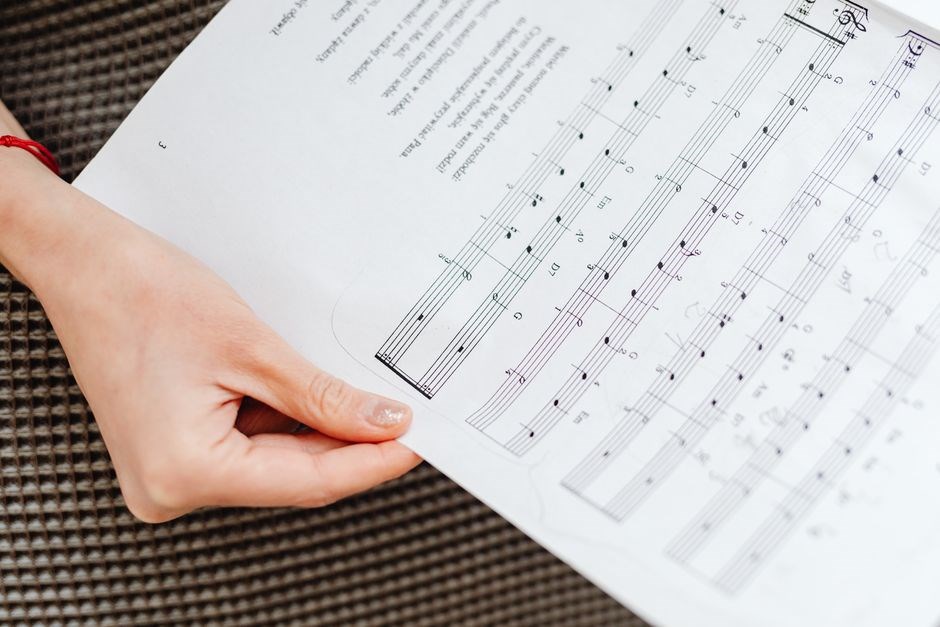
Official sites like Hal Leonard, Musicnotes, and the Leonard Cohen website provide licensed PDFs. Community platforms such as MuseScore host user‑created scores; verify copyright tags. Download from verified publishers to stay legal.These siteguarantee authenticity
3.1 Official Music Publishers and Websites
Hal Leonard’s official site offers a comprehensive catalogue of licensed “Hallelujah” arrangements in multiple formats, including PDF, MP3, and MIDI. The publisher provides both standard and simplified scores, catering to beginners and advanced performers alike. Each download is protected by a digital rights management system that ensures compliance with copyright law. Musicnotes.com hosts a curated selection of “Hallelujah” transcriptions, featuring high‑resolution PDFs that can be printed or displayed on tablets. Their platform allows users to preview pages before purchase, and the PDFs are accompanied by editorial notes that clarify chord symbols and performance nuances. Sheet Music Plus lists a variety of “Hallelujah” arrangements, from solo piano to full orchestral scores, all available for instant download after payment. The site’s search filters enable users to locate specific instrumentations quickly. Additionally, the official Leonard Cohen website occasionally offers free sheet music samples, though full PDFs typically require a purchase or subscription through a licensed distributor. By sourcing PDFs from these reputable publishers, musicians can rest assured that they are accessing legal, high‑quality materials that respect the artist’s intellectual property rights. These PDFs also often include performance notes, suggested dynamics, and tempo markings, allowing performers to interpret the piece with confidence while honoring the original artistic intent.!
3.2 Community-Driven Platforms and Their Reliability
Community‑driven sites such as MuseScore, IMSLP, and Free‑scores.com aggregate user‑generated “Hallelujah” PDFs that are often shared under Creative Commons or public‑domain claims. While these platforms provide quick access and a wide variety of arrangements, their legal standing is variable. Users should verify that the uploader has the right to distribute the material, as many files may be posted without proper licensing. The quality of notation can differ dramatically; some scores contain errors in chord symbols, key signatures, or rhythmic values, which may mislead performers. Many community sites employ a rating and comment system that helps identify reliable contributions, yet the absence of formal editorial oversight means that inaccuracies can persist. Additionally, the risk of malware or unwanted software bundled with downloads is higher on less‑regulated sites. To mitigate these concerns, musicians are encouraged to cross‑check community PDFs against official releases or reputable publishers, and to use antivirus scanners before opening files. Despite these caveats, community platforms remain valuable for discovering niche arrangements, such as jazz‑style or vocal‑only versions, that may not be commercially available. They also foster collaboration, allowing users to edit and improve scores collaboratively, which can result in high‑quality, crowd‑verified editions over time. Ultimately, the reliability of a community‑driven PDF hinges on the contributor’s credibility, platform moderation, and user diligence.
Instrument-Specific Arrangements Available as PDFs

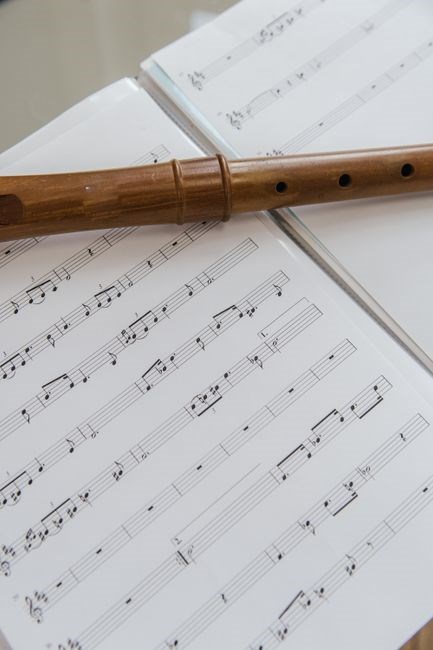
Hallelujah PDFs span piano, guitar, flute, and orchestral versions, each tailored to instrument range and style. Piano scores feature full voicings, guitar arrangements offer chord‑heavy voicings, flute transcriptions highlight melodic lines, and orchestral PDFs provide instrument parts for ensemble use!
4.1 Piano, Guitar, and Flute Transcriptions
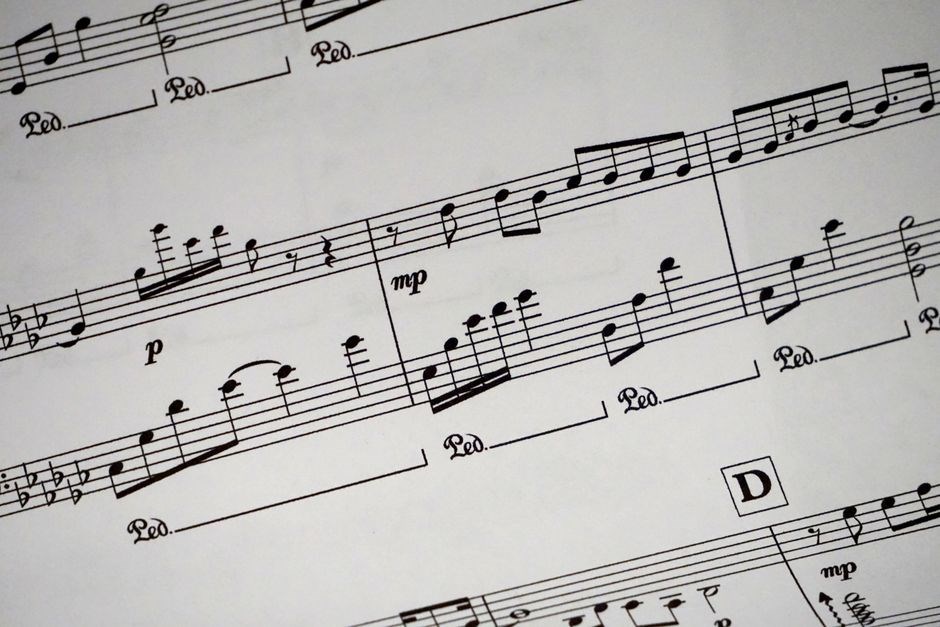
Hallelujah PDFs for piano, guitar, and flute are crafted to preserve the song’s emotive core while adapting to each instrument’s unique voice. Piano arrangements range from simple chordal accompaniments suitable for beginners to richly voiced, multi‑voice textures that mirror the original’s harmonic depth. These scores often feature dynamic markings, pedal cues, and optional arpeggiated passages to enhance expressiveness. Guitar transcriptions emphasize the rhythmic drive of the original, offering both standard and finger‑style patterns. Many PDFs include chord charts, tablature, and chord symbols, allowing players to improvise or perform faithfully. Flute arrangements focus on lyrical melodic lines, with careful attention to breath marks and phrasing to capture the song’s soaring quality. Some PDFs provide alternate key signatures to accommodate flutists’ instrument ranges, ensuring comfortable playing positions. All three instrument PDFs are available in high‑resolution, printable formats, and many are accompanied by audio samples for reference. Musicians can use these PDFs for solo practice, ensemble rehearsals, or live performances, and they are often updated to reflect new arrangements or user‑submitted edits. The community’s collaborative platform ensures that each transcription is reviewed for accuracy, making these PDFs reliable resources for students, teachers, and performers alike. Whether you’re a pianist looking to add a contemporary classic to your repertoire, a guitarist seeking a fresh take on a beloved ballad, or a flutist wanting to explore modern repertoire, the Hallelujah PDFs provide versatile, high‑quality options that respect the original while showcasing each instrument’s strengths. They also include optional chord charts and simplified fingerings, making them accessible for both seasoned musicians and beginners and practice sessions.
4.2 Orchestral and Chamber Ensemble Versions
Hallelujah orchestral PDFs transform the iconic ballad into multi‑section scores that invite full‑orchestra or chamber ensembles to explore its harmonic palette. These arrangements typically feature a full string section, woodwinds, brass, and percussion, each voice given distinct thematic material that mirrors the original’s chord progressions while adding depth through counter‑point and harmonic layering. The scores are often written in a style, with clear articulation marks, dynamic swells, and expressive tempo indications that help conductors and players convey the song’s emotional arc. Chamber versions condense the orchestral texture into smaller groups—such as string quartets, wind quintets, or mixed ensembles—while preserving the core melodic line and harmonic structure. These PDFs frequently include optional parts for solo instruments, allowing performers to highlight specific motifs or add improvisational sections. Many orchestral and chamber PDFs are accompanied by a full score and individual parts, each printed on separate pages for easy distribution. The community platform ensures that these PDFs are regularly updated, with corrections for notation errors and user enhancements. Musicians can use them for rehearsals, recordings, or live performances, and the PDF format guarantees crisp, legible notation when printed on A4 paper. Additionally, some PDFs provide rehearsal marks, tempo rubrics, and suggested orchestration techniques, making them valuable resources for conductors and arrangers who wish to adapt the piece for varied ensemble sizes. Whether you’re a conductor looking to add a modern classic to your repertoire or a chamber group seeking a fresh, emotionally resonant work, the Hallelujah orchestral and chamber PDFs offer a versatile rich solution that respects the original while expanding its deep expressive possibilities

Tips for Using and Printing Hallelujah Score PDFs
Use PDF editors to annotate, crop, or add rehearsal marks. Print on high‑quality paper, set margins to 1.5cm. and a. Choose landscape for full score. Save a copy before editing, and use a PDF viewer with zoom for detailed rehearsal. Always check page size before printing.

5.1 PDF Editing and Annotation Tools
When preparing a Hallelujah score PDF, a handful of software options streamline the process. Adobe Acrobat Pro DC remains the industry standard, offering robust annotation, text editing, and the ability to embed rehearsal marks directly into the score. For a free alternative, PDF‑XChange Editor provides a lightweight interface with a comprehensive set of drawing tools, sticky notes, and the capacity to export annotations as separate layers. Musicians who prefer open‑source solutions will find Okular and Evince handy; both support inline comments and can export annotated PDFs without licensing fees.
For those who need to add musical symbols or adjust staff spacing, PDFsam Basic can split or merge pages, while Inkscape (via the PDF import feature) allows vector editing of individual measures. If you want to keep the original sheet intact and simply highlight passages, Foxit Reader offers a “Highlight” tool that preserves the underlying notation. When collaborating with a teacher or ensemble, exporting the annotated PDF as a PDF/A format ensures long‑term preservation and compatibility across devices. Finally, remember to keep a backup of the original file before applying irreversible edits.
5.2 Preparing for Performance and Practice
To maximize the impact of a Hallelujah performance, begin by reviewing the PDF score in a quiet environment. Use a high‑resolution viewer to zoom into chord symbols and lyric placement. Mark rehearsal points with sticky notes or the PDF editor’s annotation tools, ensuring each section is clearly labeled for quick reference during rehearsal in your rehearsal space.
When practicing, isolate challenging passages by extracting the relevant pages from the PDF. Create a snapshot of a measure that can be printed or displayed on a screen. This technique helps you focus on rhythmic precision and melodic contour without distraction. Record yourself while following the PDF, then review playback to catch timing issues or phrasing inconsistencies. Use a metronome now.
For ensemble settings, share the annotated PDF with all musicians ahead of rehearsal. Encourage players to print their part and annotate cues such as breath marks or pedal instructions. During rehearsal, use the PDF’s layer feature to toggle between score and parts, allowing the conductor to spot dissonances or rhythms that may need adjustment inreal.
Finally, before the live performance, print a clean copy of the score. Position it on a stand that allows easy eye contact with the audience. Practice the piece with the printed version to develop memory, then rehearse with the PDF to refine interpretive choices. This approach ensures technical accuracy and expressive depth, allowing the performer to deliver a memorable rendition of Hallelujah now.